
Wildfire Smoke and Your HVAC: How to Protect Indoor Air During Seattle Smoke Events
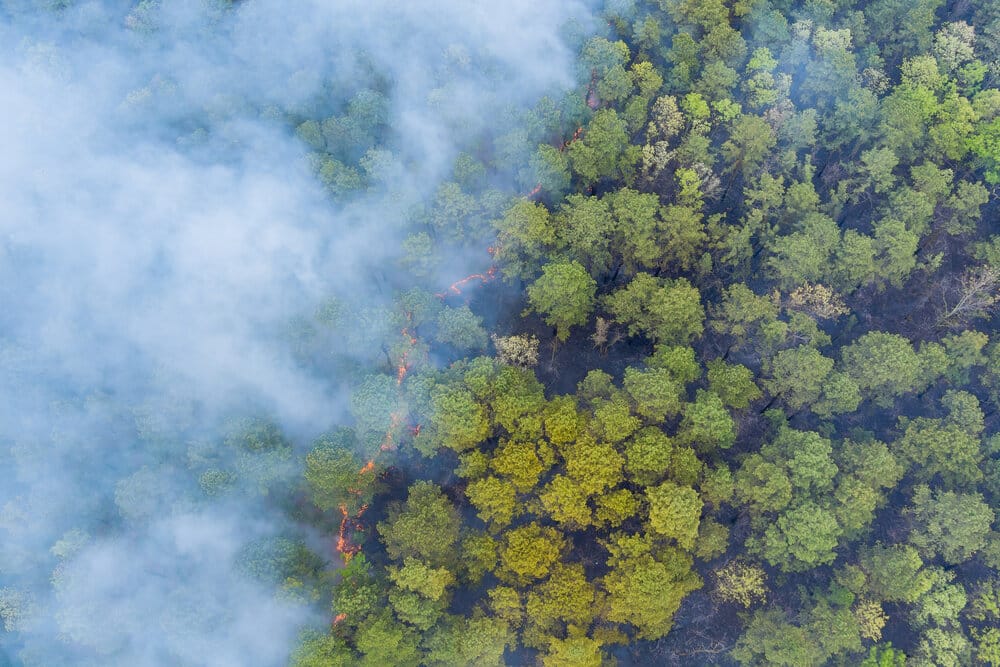
Wildfire smoke has become an increasingly common concern across the Seattle area.
Once an occasional inconvenience, wildfires are now a recurring challenge, bringing with it significant risks to indoor air quality and the operational continuity of your commercial space. Beyond the visible haze, this smoke carries microscopic particles that can pose health hazards and disrupt daily operations.
For business owners and facility managers, maintaining a healthy and productive environment is paramount. When outdoor air quality deteriorates due due to smoke, the integrity of your indoor air becomes a critical priority. Ignoring the problem can lead to decreased productivity, discomfort, and even potential health issues for those within your facility, impacting your bottom line and reputation.
Understanding How Smoke Impacts Your Commercial HVAC
Your commercial HVAC system is designed to circulate and condition air, but it can also inadvertently draw in harmful wildfire smoke particles. These tiny particles, known as PM2.5, are small enough to bypass standard filtration and can quickly accumulate within your ductwork and on sensitive components. This not only degrades the air quality inside your building but also puts a significant strain on your HVAC equipment.
As smoke particles build up, they clog filters, reducing airflow and forcing your system to work hard to maintain desired temperatures. This in turn leads to higher energy consumption, accelerated wear and tear, and a greater risk of system breakdowns. Smoke exposure can even corrode internal components, shortening the lifespan of valuable equipment.
Common HVAC components affected by smoke include:
- Air filters (clogged rapidly)
- Evaporator coils (reduced heat exchange efficiency)
- Blower motors (increased strain)
- Ductwork (particle accumulation)
Immediate Steps to Safeguard Your Indoor Environment
When wildfire smoke blankets the Seattle area, there are immediate, proactive measures business owners and facility managers can take to protect their indoor air quality. These initial steps focus on minimizing smoke entry and improving existing filtration to create a safer environment for everyone inside your commercial building.
Begin by ensuring all windows and doors are tightly closed. If your HVAC system has an outdoor air intake, temporarily set it to recirculate indoor air only, if possible. This reduces the amount of unfiltered outdoor air being pulled into your facility. While these are temporary solutions, they provide a crucial first line of defense against the smoke.
Long-Term Solutions for Superior Air Quality
While immediate actions are crucial during a smoke event, long-term strategies are essential for sustained indoor air quality. Advanced filtration systems provide a robust defense, ensuring your business remains healthy and comfortable even when outdoor conditions are challenging.
One of the most effective long-term solutions is upgrading your air filters. Standard filters may not capture the fine particles found in wildfire smoke. Consider replacing existing filters with HEPA filters or those with a MERV rating of level 13 or higher, denoting they specifically capture smaller particles. Additionally, integrating standalone air purifiers or in-duct purification systems can actively scrub the air of contaminants, providing an extra layer of protection.
Why Professional HVAC Service is Essential During Smoke Season
While you can take some immediate steps, the complexity of commercial HVAC systems and the persistent threat of wildfire smoke necessitate professional expertise. Relying on experienced technicians for thorough inspections, maintenance, and strategic upgrades ensures your system is not just running, but running optimally to protect your indoor air quality.
Professional technicians can assess your system, recommend appropriate filters, and perform necessary cleanings where smoke residue might accumulate. They can also identify potential vulnerabilities in your system and suggest solutions. This proactive approach prevents costly breakdowns, maintains energy efficiency, and ensures your building’s occupants breathe cleaner air.
Your Trusted Partner for Commercial Air Quality in Seattle
Wildfire smoke may be unpredictable, but your preparation does not have to be.
A professional HVAC inspection can help you understand whether your system is equipped to handle high-efficiency filtration, identify any air leaks, and recommend upgrades that improve indoor air quality. Small adjustments now can make a noticeable difference when the next smoke event arrives.
Contact Fischer today for a professional assessment and to discuss how we can enhance your commercial HVAC system.