

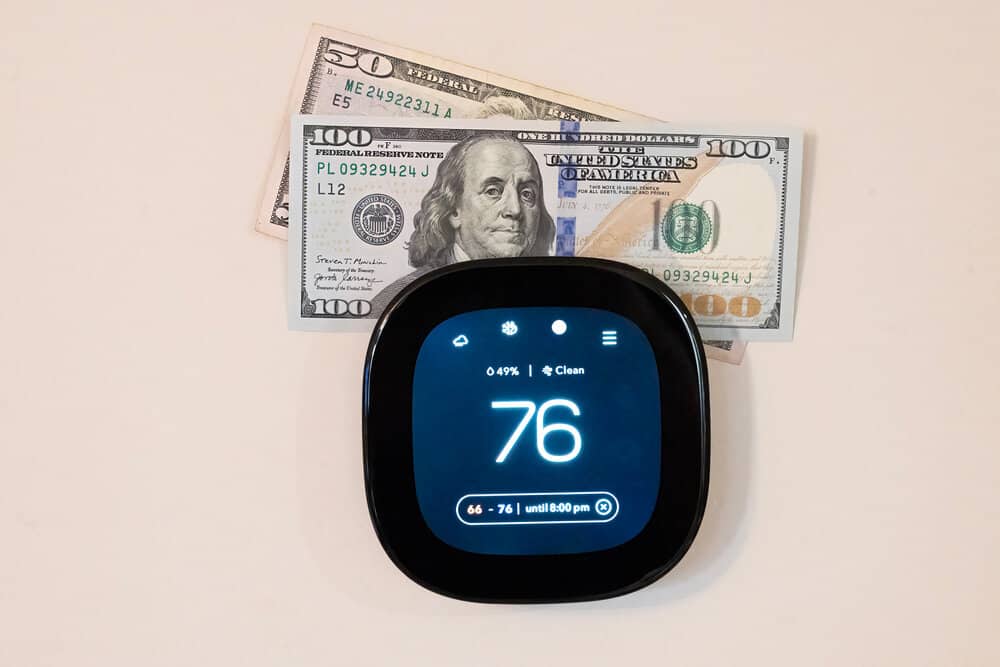
Smart Thermostat Setup for Winter: Save Energy Without Sacrificing Comfort
When the temperature drops, your heating system works harder and your energy bill usually follows. A smart or programmable thermostat can help you stay warm without wasting energy by learning your habits, adjusting automatically, and keeping your home comfortable in a more efficient way.
Below are simple ways to optimize your thermostat for the winter season.
1. Create a Winter Heating Schedule
Let your thermostat do the work for you by setting a schedule that matches your daily routine. A sample winter schedule might look like this:
Morning (6–8 AM): 68 to 70°F
Workday (8 AM–5 PM): 62 to 65°F if the house is empty
Evening (5–10 PM): 68 to 70°F
Overnight (10 PM–6 AM): 62 to 66°F depending on comfort
This approach warms the home when you need it and saves energy when you do not.
2. Use Zoning or Room Sensors
If your home has multiple heating zones, set temperatures independently for different floors or rooms. This prevents you from heating empty areas and helps keep bedrooms and living spaces at ideal temperatures.
Even if your home is not fully zoned, some smart thermostats offer room sensors that detect where people are and prioritize those spaces. This can help eliminate hot and cold spots, especially in multi-story homes.
3. Take Advantage of Energy-Saving Modes
Many smart thermostats include an Eco, Away, or Adaptive mode. These settings automatically lower the temperature when the thermostat senses no activity or when your phone leaves the house.
This feature is especially helpful during winter travel, unexpected schedule changes, or long workdays.
4. Let Weather Data Work in Your Favor
Smart thermostats pull local weather information to adjust heating more effectively. When a cold snap is on the way, your system can warm the home gradually. When outdoor temperatures rise, the thermostat can scale back heating so you are not wasting energy.
This creates a steadier indoor temperature and prevents your furnace from working harder than necessary.
5. Improve Comfort With Humidity Control
Dry winter air can make your home feel colder. When humidity drops too low, even normal temperatures may seem chilly.
If your smart thermostat connects to a whole-home humidifier, you can maintain balanced moisture levels and feel warmer at lower thermostat settings. Aim for indoor humidity between 30 and 50 percent for the most comfort.
6. Review Energy Reports to Catch Problems Early
Most smart thermostats include monthly or weekly reports that show:
- Heating system run times
- Efficiency trends
- Sudden usage spikes
If you notice your furnace is running longer than usual or struggling to maintain temperature, it may be time for a heating tune-up. These reports can also remind you to change filters, which is one of the easiest ways to improve performance.
7. Pair Smart Controls With a Healthy Heating System
A smart thermostat works best when the heating system behind it is running smoothly.
Dirty filters, airflow restrictions, duct leaks, or aging equipment can all reduce efficiency.
If something feels off, or if rooms are heating unevenly, scheduling a winter system check can get everything back on track.
Stay Comfortable and Save This Winter
A smart thermostat is a powerful tool for keeping your home warm without overspending on energy. If you need help installing or optimizing a smart thermostat, or if your heating system could use a mid-winter tune-up, Fischer Heating is ready to help.
Contact us today to schedule service or learn more about your options.